
Every footstep on a concrete floor is a small percussion event. The impact travels through the slab and comes out the other side as noise in the room below. This is called impact noise, and concrete is one of the worst materials for it.
If you’ve ever lived below someone with hard flooring, you know exactly what this feels like. Every step, every dropped item, every chair scrape. It doesn’t stop.
Why Concrete Floors Have a Sound Problem
Concrete is dense and rigid. That’s what makes it durable. But density and rigidity also make it an efficient conductor of vibration.
Impact noise is different from airborne noise. Airborne sound — voices, music, TV — travels through the air and loses energy as it goes. Impact noise skips that step. It puts energy directly into the structure and sends it where the structure goes: straight to the room below.
This is a real problem in:
- Condos and apartments, where footsteps from upstairs units are one of the top complaints between neighbors
- Multi-story homes with hard flooring on upper levels above bedrooms or living rooms
- Renovation projects where new hard flooring is going over existing concrete, which makes the problem worse, not better
The Building Code Side of the Sound Problem
If you’re a contractor or architect specifying flooring for a multi-family building, this isn’t just a comfort issue. Most U.S. building codes require a minimum IIC rating of 50 (Impact Isolation Class) between floor assemblies. Many HOAs stack additional requirements on top of that.
Specifying hard surface flooring without accounting for impact isolation can mean failing inspection or triggering neighbor complaints before the project is even handed over.
What Makes This System Worth Looking At
Most soundproof flooring systems end with tile, LVP, carpet, or hardwood. A mat goes down, concrete goes over it, then a conventional finish goes on top. The sound problem is solved, but the floor looks like any other floor.
This system ends with a Skraffino microtopping. That’s a seamless, polished concrete surface with no grout lines, no tile edges, and no visible seams. Color is fully customizable through Colorfast integral pigments, dyes, or stains. It’s a finish that most flooring categories can’t replicate.
Duraamen also designs the system for you. If you’re a homeowner figuring out where to start, Duraamen can build a custom specification for your project. Contractors and architects get the same support: a tested, compatible product stack ready to spec. Duraamen recommends KeedeRoll® MT — an acoustical uncoupling membrane — as the base layer. You source that, and Duraamen handles everything above it.
The System, Layer by Layer
Here’s exactly what goes into a Duraamen soundproof floor, from the slab up.
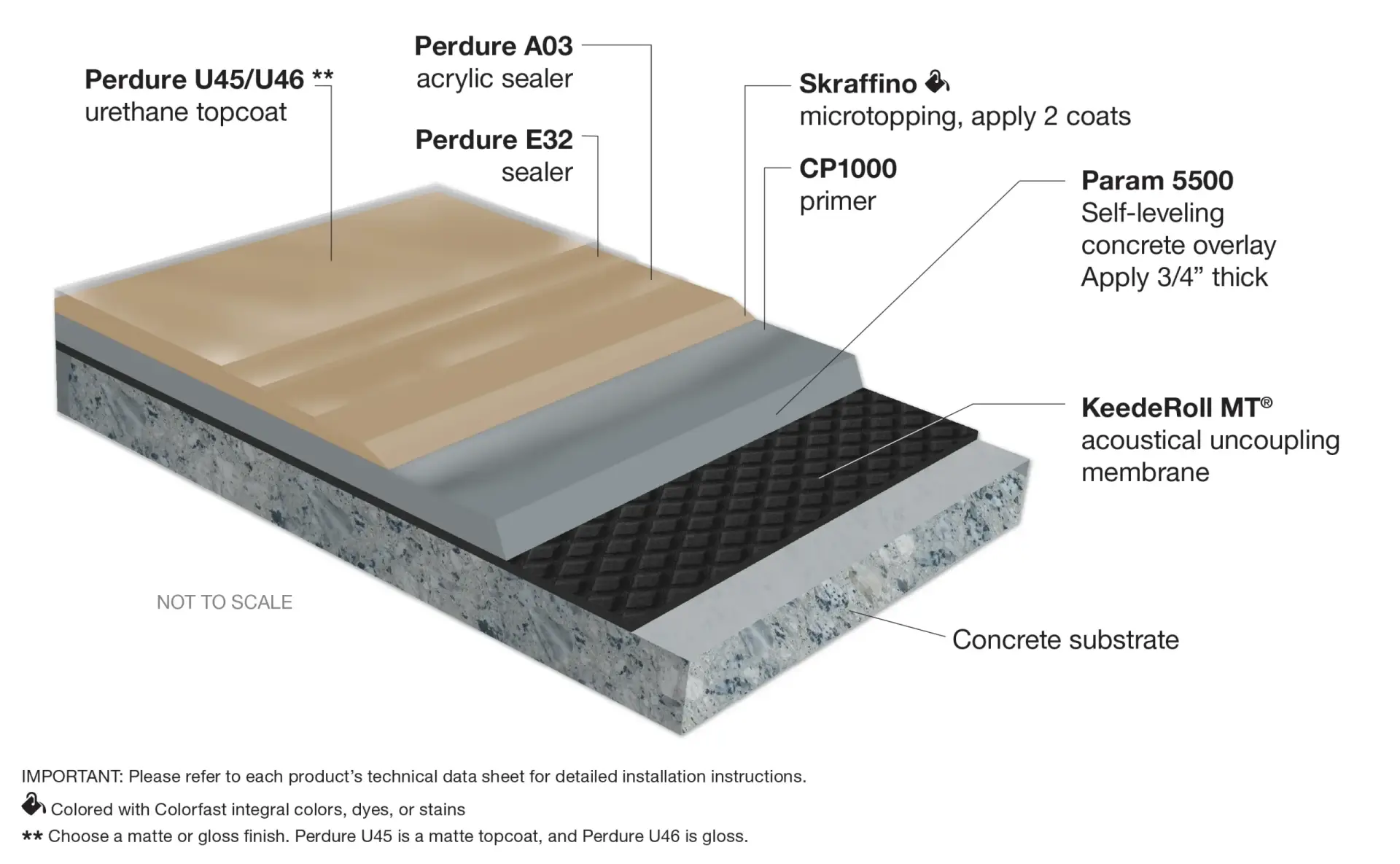
KeedeRoll® MT goes down first, directly over the concrete substrate. KeedeRoll® MT is an acoustical uncoupling membrane — the MT stands for Muffling Technology — and it works by decoupling the finished floor from the slab below. When the two surfaces aren’t in direct contact, vibrations from footsteps can’t travel straight through the structure to the space below. On an 8″ concrete slab, it achieves an IIC rating of 54, which meets code on its own.
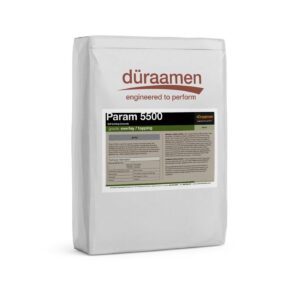
Param 5500 goes over the KeedeRoll® MT at 3/4″ thick. This self-leveling concrete underlayment creates a flat, stable surface for everything above. It also adds mass, and mass helps block sound.
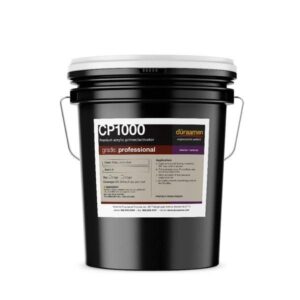
CP1000 primer goes on next, preparing the Param 5500 surface to bond with the microtopping.
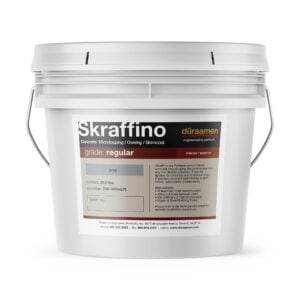
Skraffino microtopping goes on in two coats. This is the decorative layer, the part you see and walk on every day. Because it applies thin, it doesn’t raise the floor height the way tile or hardwood would. It can be colored with Colorfast integral colors, dyes, or stains, giving you full control over the final look. The result is a seamless, continuous surface with no grout lines to trap dirt and no tile edges to chip or crack.
Perdure A03 acrylic sealer and Perdure E32 sealer follow the Skraffino, building the protective foundation before the topcoat goes on.
Perdure U45 or U46 urethane topcoat closes the system. U45 is matte, U46 is gloss. Either way, you get a durable, wear-resistant surface that holds up to daily foot traffic and cleans easily.
Where This System Makes Sense
The Duraamen Soundproof Flooring System is a strong fit for any project where you need a finished concrete look with real sound control. Specifically:
- Multi-family construction where IIC compliance is required
- Renovation projects adding hard flooring over an existing concrete slab
- Home theaters, recording studios, or media rooms
- Any space where the floor above and the room below need acoustic separation
It also works well in commercial settings where sound control and aesthetics both matter, including offices, hotels, and healthcare facilities.
Not sure how to spec this for your project? Duraamen’s team can design a custom system based on your substrate, space requirements, and finish goals. That’s especially useful if you’re a homeowner who doesn’t want to figure out the product stack yourself.
What You Get When It’s Done
A finished Duraamen soundproof floor looks like polished concrete. No grout lines, no tile edges, no visible seams. The surface is easy to clean, holds up well under daily foot traffic, and comes in either matte or gloss depending on the topcoat you choose. The color is set during installation and runs consistently across the entire floor.
What you don’t get is the impact noise problem that concrete floors are known for. The KeedeRoll® MT acoustical membrane handles that at the base of the system, before the finished surface ever comes into the picture.
If you want a floor that solves the sound problem and still looks the way you want it to, Duraamen can help you get there. Whether you’re specifying a multi-family building or renovating a single room, the system can be designed around your project.
[CTA: Contact a Duraamen representative] or [Shop the products in this system]
Word count: ~680 words Target site: duraamen.com Version: v2 (product links added) Products featured: KeedeRoll® MT, Param 5500, CP1000, Skraffino, Perdure A03, Perdure E32, Perdure U45/U46, Colorfast Diagram: DUR-microcement-soundproof-floor — place after “Here’s exactly what goes into a Duraamen soundproof floor, from the slab up.”