
Polished concrete has become one of the most sought-after flooring finishes in both residential and commercial design — and the good news is that you do not need a concrete slab to get it. With the right system and proper preparation, a plywood subfloor can be successfully transformed into a seamless, polished concrete surface that looks every bit as refined as a traditional pour. The challenge with plywood is that it is a living material — it expands, contracts, and flexes with changes in temperature and humidity, all of which can cause an untreated concrete overlay to crack, delaminate, or fail prematurely if the prep work is skipped or rushed. That is why the preparation phase is non-negotiable: every screw head must be treated with Param FP featherpatch to prevent rust ghosting, all seams must be covered with mesh and filled with structural urethane, and the entire surface must be primed with Paramol to seal out moisture before a single drop of self-leveling concrete is poured.
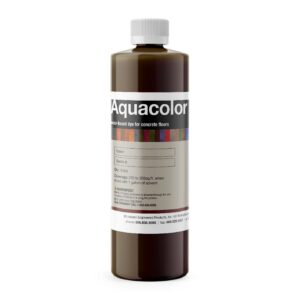
Once the substrate is properly prepared, Param 5500 self-leveling concrete flows out to create a perfectly flat, ultra-smooth base that is strong, moisture-resistant, and ready to accept a wide range of decorative finishes. For homeowners and designers who want more visual texture and depth, one or two coats of Skraffino microtopping can be applied over the Param 5500, building a refined surface that takes color and staining beautifully. Color possibilities range from subtle dye washes that let the natural character of the concrete show through, to rich, saturated tones applied with Aquacolor stains in earthy neutrals, warm taupes, or bold contemporary hues that make a real design statement. Sealing with an acrylic or epoxy sealer followed by a matte or gloss polyurethane topcoat locks in the finish, protects against daily wear, and delivers the smooth, gleaming appearance that makes polished concrete so visually striking. The key advantage of choosing Duraamen’s complete system — rather than assembling products from multiple vendors — is that every component is engineered to work together, reducing the risk of compatibility issues and giving both contractors and DIYers the confidence that the finished floor will perform as intended for years to come. Whether you are renovating a residential loft, a boutique retail space, or a commercial office, contact Duraamen today to find the right products and get expert guidance for your plywood-to-polished-concrete project.
Those in the commercial property remodeling industry have observed an increase in demand from 2015 to 2019, thanks to contracting office rental vacancy rates and rising consumer spending through 2019. While this remodeling surge slowed in 2020 due to the pandemic, this slowdown is expected to rebound and instances of remodeling are expected to grow over the next five years.
What’s more — 90% of homeowners are planning to remodel their homes.
As remodeling happens in record numbers, more and more facilities managers and homeowners are searching for ways to convert their existing wood or plywood subfloors into concrete floors. The problem? Daily temperature and humidity changes cause wood to move, expand, and shift under the stress.
Polished concrete floors offer all kinds of benefits, but those planning to install concrete over a wood floor should consult with the professionals at Duraamen before beginning to ensure a successful installation.
Why Choose Polished Concrete?
Polished cement floors are a popular flooring option because of their long list of perks. For starters, polished concrete floors are shockingly low maintenance. While some other floors need regular care, properly-sealed concrete floors repel dirt, grit, and stains, and can withstand hard impacts. All polished concrete needs is a little bit of sweeping and damp mopping to look its very best.
Concrete is quite strong and nearly impervious to scratching or denting. Concrete holds up in the elements and with plenty of heavy vehicle traffic in residential driveways and commercial parking lots. It’s no wonder homeowners and facilities managers are choosing concrete as their flooring material — it’s incredibly durable!
Polished concrete floors can also make a fashion statement. Concrete doesn’t require special applications to finish it off, but with polished concrete, dyes and sealants can transform gray concrete into a smooth, gleaming focal point in a room.
These floors offer beautiful design options. There are countless modern techniques to finish polished concrete, so it’s anything but plain, boring concrete. For luxurious finishes, dyes can be added to the concrete or applied afterward in a wide range of earthy colors. Surface treatments can turn a simple cement floor into a one-of-a-kind finish.
Installing Polished Concrete Floors Over Plywood
Duraamen offers a complete line of products that work together as a tried-and-true system for installing polished concrete floors, along with extensive tutorials to ensure a successful installation. These products are engineered to work together to deliver an attractive, long-lasting result. By choosing this system, those looking to install this popular flooring option may have to purchase more products from multiple locations to achieve a lower-quality finish.
What’s so important to know about installing self-leveling concrete over plywood? Plywood is a porous material that absorbs moisture and requires appropriate treatment and sealing before pouring cement on the substrate. The wood must be fully sealed—even at the corners—to ensure the surface is ready for self-leveling concrete.
If the wood flooring substrate is not treated, polished concrete will be susceptible to outgassing, and moisture can seep into the wood, causing it to delaminate. Also, seams must be covered with a mesh barrier and treated with a structural urethane to prevent self-leveling concrete from seeping into them. The screws that secure the plywood must also be treated with a Param FP (Featherpatch) base to prevent rust or ghosting. Once this work is complete, the plywood can be primed with Paramol to prevent moisture intrusion.
Design Options for a Beautiful Polished Concrete Floor
Self-leveling concrete flooring like Param 5500 opens the door to all kinds of design options. Param 5500 can be integrally colored or stained with Deso Dyes or Aquacolors. Subsequently, it can be sealed with an acrylic/epoxy sealer and top-coated with a gloss or matte polyurethane coating. For someone who wants to add a character to the floor, they can apply one or two coats of Skraffino, which can also be integrally colored or stained.
A polished concrete floor can have a subtle color by diluting hyperpigmented dyes to a dye wash, or it can be dyed in a variety of bright colors, depending on the desired effect and design aesthetic. Depending on the colors and application techniques, polished concrete can look trendy or timeless.
Some current design trends in commercial and residential polished concrete floors include:
- Concrete dyes that range from translucent to opaque
- Staining concrete
- Incorporating intricate designs or specific messages for marketing purposes, typically in commercial settings.
Duraamen offers products that homeowners, contractors, and facilities managers need to install a gleaming, smooth, polished concrete floor, regardless of the substrate. While a plywood substrate requires a bit more attention upfront, the outcome can be just as elegant as if it were poured over any other surface with careful application.
For optimal results, don’t cobble together solutions from multiple vendors. Discover Duraamen’s self-leveling concrete flooring system for plywood substrates here. Questions? Contact us today!